2025/2026 Harvest Draw Winners
Click Here for Winning Results
2025 Monitoring for Chronic Wasting Disease
2025/2026 Harvesting Information
Harvest Cover Letter, Newsletter and Applications
Maps
Map A – AOO Settlement Area Harvest Map
Map B – Algonquin Provincial Park – WMU 51 WMU 54
Map C – Algonquin Park Hwy 60 Development Zone – No Harvesting Permitted
Map D – AOO Community Monitor Locations in Algonquin Park
Map E – Algonquin Provincial Park Development and Campground Zones
Upon successfully harvesting your tag or other animals, please fill out the following Questionnaires that apply to you. Your feedback is much appreciated in protecting all the herds in the years to come.
2024/2025 Harvest Draw Winners
Click Here for Winning Results
Useful Links:
RCMP Firearms License Information
_______________________________________________________________________________________________________

Fish Harvesting
Algonquin Provincial Park is well known for it’s Brook Trout and Lake Trout.
But it also holds other species such as Smallmouth Bass, Largemouth Bass,
Catfish, Whitefish, Yellow Perch, Northern Pike, Muskellunge, and Walleye.
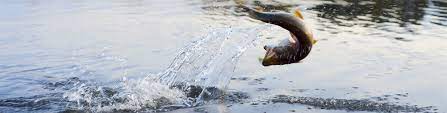


Earlier in the season up until late June, is the best for the brook and lake trout.
These cold water fish prefer cooler water and stay closer to the surface.
The bass season opens in late June and many people are surprised to find such
aggressive sportfish in Algonquin Park. During summer trout can still be caught,
but bass and northern pike are the more frequent catches. As fall settles in, the
cooler nights help cool the waters and trout become more active.
The park has special regulations and anglers need to be aware of the restrictions
before heading out. Things like slot size limits and designated voluntary catch
and release lakes are having positive effects on the Algonquin Park fishing.
Possession or use of live baitfish are prohibited in Algonquin Park.
The use or possession of live baitfish (including crayfish) or the capturing of any
baitfish using traps or nets, or the possession of any amphibian or reptile such as
frogs or salamanders is prohibited at all times.
In regards to Algonquin Provincial Park Fishing Information and Regulations, we ask our Community Members to please contact The Algonquins of Greater Golden Lake First Nation Community Office.
FISH TAGGING
| Fish tagging is an important tool used by biologists to study fish movement, survival and population health. Data collected from tagged fish helps inform conservation efforts and sustainable fisheries management. Anglers also play a crucial role in this process by reporting the tagged fish they catch. Tags vary in size, shape and color. Most have an ID number and contact information for reporting. External tags are easy to spot when a fish is caught, while internal tags, used for tracking, are found only if the fish is kept and cleaned. They provide detailed insights into fish behaviour, migration patterns and habitat use. Anglers can easily report tagged fish online using their mobile device by submitting the tag number, location and fish details. Reports can be anonymous or include a request for follow-up from a biologist. Reporting tagged fish supports research that helps manage fisheries sustainably. This helps ensure healthy fish populations for future generations. Next time you catch a fish, check for a tag—your report makes a difference!  Learn more about what to do if you find a tagged fish. |
MOBILE APP
Have you tried Fish ON-Line? It’s a mobile-friendly tool designed to help anglers plan their next fishing trip here in Ontario. It features an interactive map of over 20,000 waterbodies, allowing you to search for fishing spots by lake or river name, type of fish, location or GPS coordinates.
Make sure you have the 2025 Ontario Fishing Regulations Summary on-hand before you cast a line.
Useful Link:
Conservation Ontario: Drinking Water Source Protection


 Algonquins of Greater Golden Lake First Nation

