Algonquin Heritage

General Information About The Algonquin Tribe
The Algonquin is a tribe that arrived on the shores of the Ottawa River that flowed between Quebec and Ontario. In their language (which has many dialects) Algonquin means, “At the place of spearing fishes and eels”.
Communications with others
In 1760, The Algonquin made an alliance with the British, before they aligned with the French. When the Europeans came, the Algonquin were influenced to make their own written language. The language does not look similar to roman style lettering, it was more like symbols.
The Algonquin would also trade fur from their hunts with the Europe merchants which used it for clothing. This was the main trade with Europeans, but the Algonquin trained amongst themselves with wampum beads.
Roles of Men and Women
Men and Women had separate tasks to do. Sometimes both genders could have the same role, such as medicinal work. Every gender had the role of teaching the younger generation how to do the tasks. Their roles are as follows;
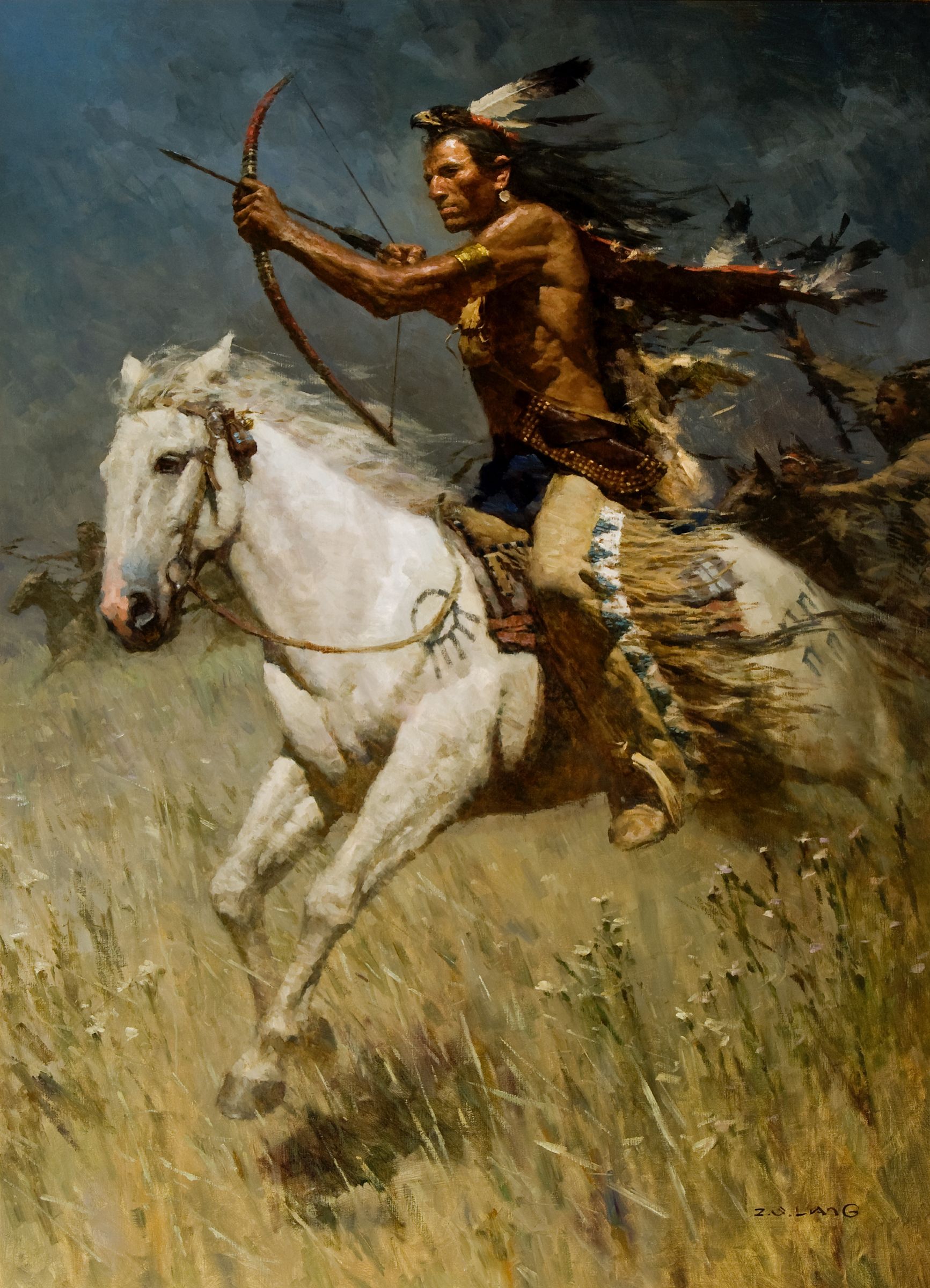
The young men mainly hunted and fished. They were also the ones who could become chiefs one day.
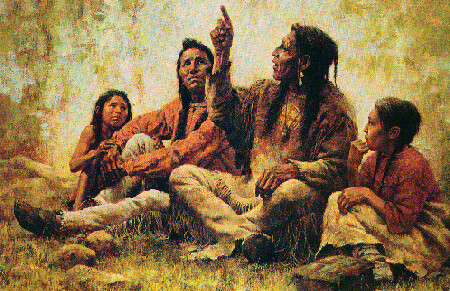

Women had many more tasks such as gathering herbs, berries, catching small fish, making meals (cooking), preparing for the harsh winter, cleaning tools, cleaning homes and making clothing were all amongst their tasks.
The Algonquin were quite skilled artists, whether it came to bead or basket work. The tribe was very religious and believed in the afterlife and witchcraft. They also believed to respect objects such as trees and stones, because they have a purpose and are a part of the circle of life. Also, the Algonquin believed in visions and dreams which had very important meaning to them.
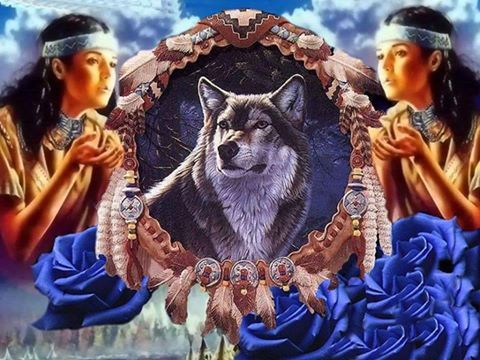
Nowadays, many Canadians proudly say they descend or are a part of the Algonquin Tribe.
Who Do We Represent?
The people of the Algonquin Heritage living throughout our Algonquin Territory & beyond.
___________________________________________
Who Are We?
We are descendants and one of the ten communities located across the settlement territory that makes up the Algonquins of Ontario (AOO). We are one of the nine Non-Reserve Communities under the AOO umbrella. The ten communities who are part of the Algonquin Land Claim are comprised of Antoine, Bonnechere, Greater Golden Lake, Kijicho Manito Madaouskarini (Bancroft), Mattawa/North Bay, Ottawa, Pikwakanagan First Nation Reserve, Shabot Obaadjiwan (Sharbot Lake), Snimikobi (Ardoch) and Whitney Area.
___________________________________________
What Is A Community?
More and more everyday, people find out information on their ancestry and want to join our community. The Algonquins of Greater Golden Lake First Nation is a Non-Reserve Community which has grown over the past few years. We are like a huge family, we are here to support each other and assist one other.
___________________________________________
When Did We Evolve?
In 1993 our community was called Kichissippi South. The following year our community was renamed “Algonquins of Greater Golden Lake First Nation”.
In 2016 the Agreement in Principle (AlP) was signed allowing the Land Claim to proceed. We are now working on the Proposed Beneficiary Criteria that will define who will be beneficiaries of the Algonquin Land Claim.
___________________________________________
Where Do We Reside?
We are a Non-Reserve Algonquin First Nation Community comprised mainly of members from the Pembroke, Petawawa, Black Bay Area and the surrounding Ottawa Valley. Our community center is now located at 856 Pembroke Street East, Pembroke, ON. KA 3M2. We now have roughly 1500 members who span across all of Canada as well as some members that live in the USA and Europe.
___________________________________________
How Do We Assist Our Community Members?
- In 2020 through the first year of Covid-19 Pandemic, we purchased and mailed out $100.00 Grocery Gift Cards to every member to help our community members get through the toughest times and job losses.
- In 2021 through the second year of Covid-19 Pandemic, we assisted some of our community members and/or their children by purchasing and giving them brand new Chrome Book Laptops.
- We assist with the Proposed Beneficiary Criteria Enrollment Application Process to help our community grow with certified members.
- We offer our guidance to parents and grandparents with giving their children and grandchildren under the age of 18 yrs the advantage of pre-registering with our community.
- We can point community members in the right direction on where to apply for and possibly obtain Educational Funding such as Grants, Scholarships and Bursaries.
- We attend daily and/or weekly zoom or in person meetings to control and resolve any issues at hand.
- We hold monthly AGGLFN Community Meetings with lunches and beverages to keep our community members informed of any new information or outcomes.
- Presently, we are still working on getting our new Treaty passed along with creating and producing our new Constitution.
- Yearly, we ask a few of our members to donate their time and efforts to harvest some Community Moose Meat. We send the moose to the butcher to have them cut and wrapped. Continuously, we post the information on our website and we send out Newsletter Email notifications telling the community members of the availability of the Community Moose Meat for pick-up. We then distribute the moose meat to our Community Members who want some and who are not able to harvest anymore.
- We pass on as much information & knowledge to our Community Members that we have in regards to Harvesting (Hunting and Fishing).
- 2025, we opened the Greater Golden Lake Community Food Bank in our community center. To get this started we put out the request to collect food and monetary donations from our staff and community members. And let me say this, our staff and community members were very charitable and generous. And we would like to say “Thank You” once again.
- We performed a Species at Risk Project (SARA Act) on one of our Treaty Land Selects (Sand Lake just off Baron Canyon Rd) from May 2025 – September 2025 with the help of some of our volunteer community members. We hosted some Species at Risk Seminars with our community members to give them the information and updates on this new project we took on this year. We also handed out specially designed Species at Risk Flyers to create more public awareness at three local EXPOs in 2025. The four particular Species at Risk we chose to try to research, monitor and try to protect were: The Eastern Whip-poor-will, The Eastern Wolf, The Monarch Butterfly and The Blanding’s Turtle. So out of these four species, the only one we did not get a chance to research, monitor and try to protect was the Eastern Wolf. We did not see any or hear any. As for the other three species we did locate them so we could research, monitor and try to protect them daily for the period of time listed above. A complete report has to been made-up on this project and sent in by February 15, 2026 to the CIER (Centre for Indigenous Environmental Resources) supported by The Environment and Climate Change Canada.
- So far in 2025 we have hosted Open Sharing Circles, Cultural Workshops and Teachings at our community center. The first was a Trapping Teaching/Workshop. The second was a Tobacco Tie Teaching/Workshop . The third was a Deer Hide Tobacco Pouch Teaching/Workshop. The fourth was a Smudge-Talking Feather Teaching/Workshop. And later in the fall we hosted an Authentic Drum Making Workshop / Teaching. In November 2025, we started hosting Open Sharing Circles every Monday night (6:00 pm-8:00 pm) and Cultural Teachings/Workshops every Wednesday night (6:00 pm-8:00 pm) at our Community Office.
- In 2026 we are expanding and continuing with Open Sharing Circles on Mondays and Cultural Teachings/Workshops on Wednesdays from (6:00 pm-8:00 pm) at our Community Office.
___________________________________________
Other Benefits Offered
In July 2025 we had the honor of being contacted by the group The Water Walkers. So we offered them our community center as an over-night refuge. We also provided the group a meal of homemade BBQ Moose Burgers with side salads. This group named The Water Walkers walked through Pembroke as a relay team carrying a staff and a bucket of water from Mattawa to Montreal. According to the leader this indigenous ritual has been going on for many years.
 Algonquins of Greater Golden Lake First Nation